
Whether you’re a solo entrepreneur or a small business, brand consistency is key to building brand recognition and trust among your target audience. In this article, we’ll provide specific tips on tackling this design identity crisis and making designing for your company easier.
Understand the Company and the Industry.
To create media that reflects the company, learning the business is essential. Take some time to review the website, the social media platforms used, and research the specific field of the company. Note the visuals, the colors, and the font they use. Read their mission, vision, and values. Don’t just read what they wrote, pay attention to how they wrote it. Their language and tone will give you valuable insights into their brand identity.
Review Past Examples.
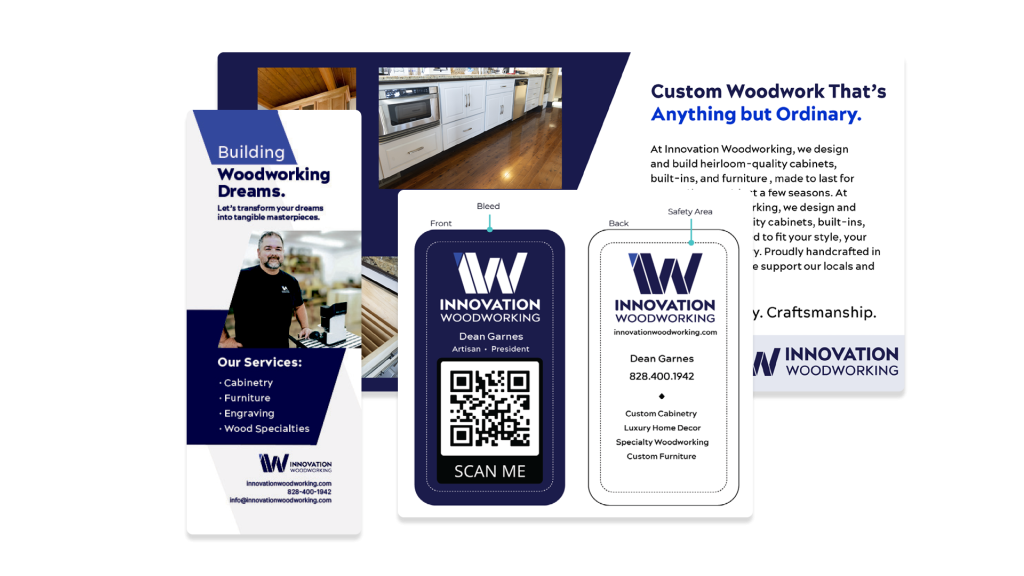
An excellent way to stay true to a company’s brand is by reviewing past designs, such as social media posts, web graphics, and icons. These archived designs can serve as a style guide. As long as they are not rebranding, following these examples can keep new designs aligned with the brand’s established identity.
Embrace the Brand Colors.
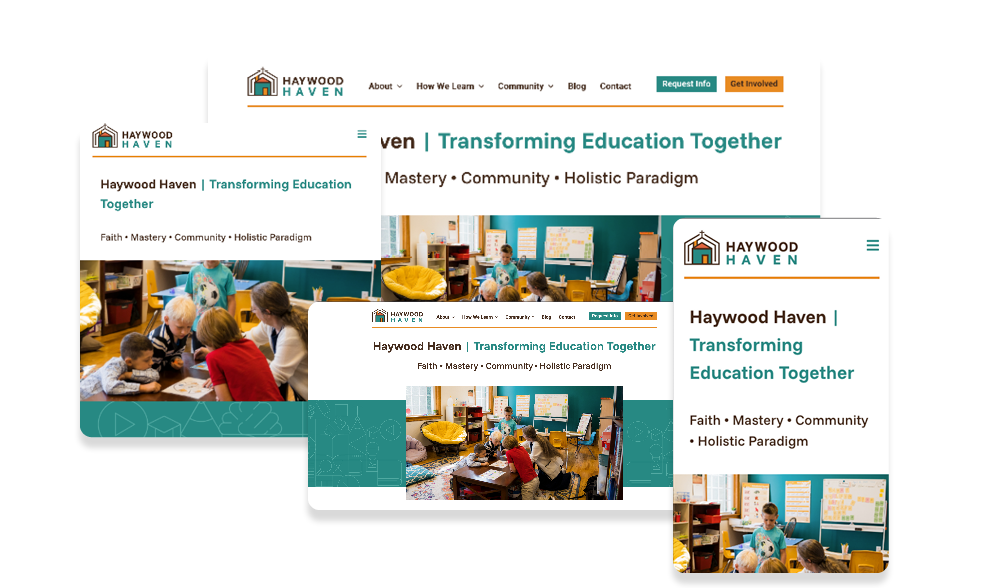
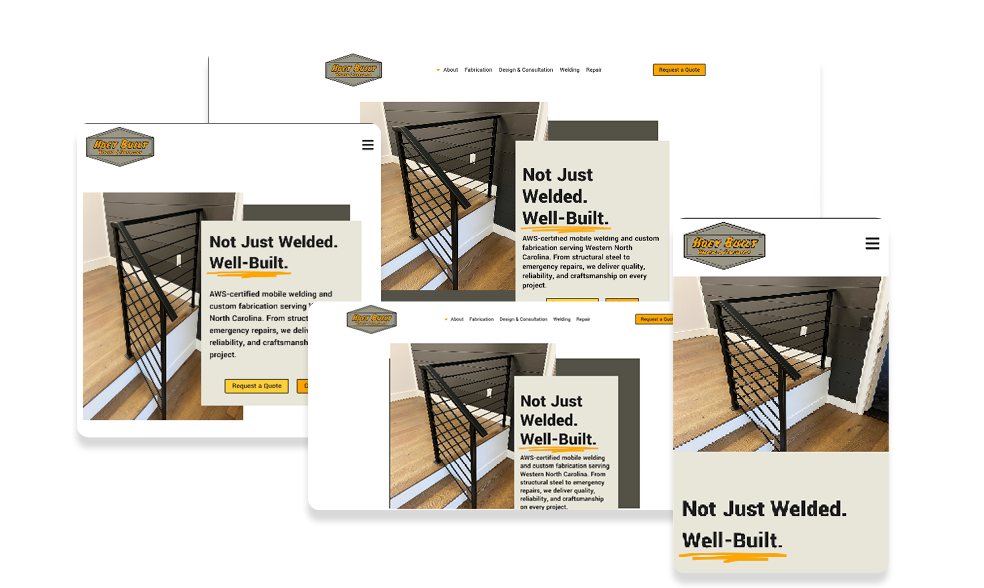
Use the brand’s signature colors throughout your designs. Pay attention to what colors are used primarily and those that are secondary. A reputable brand will likely have a color palette specified in their brand guide, complete with hex and CMYK numbers for digital and print designs. Sticking to these color guidelines will ensure consistency across all platforms.
Use the Right Logo Version.
Not every logo looks great on a black background, over a photo, or in a tight space. A functional logo system will include various versions of the logo that are similar but work well on different backgrounds and spaces. Logo variations should include image-only, text-only, horizontal and vertical orientations and inversed color palettes. Look for suggestions for use in the brand guide if available.
Know Your Type.
Typography plays a crucial role in conveying a brand’s personality, ensuring readability, and great user experience. Stick to consistent typefaces that match those used by the company on its platforms. In case the specific font is unavailable, seek a close-looking alternative that aligns with the brand’s overall style.
Study the Brand Guide.
A brand guide is one of the most valuable design pieces in your hands. A well-crafted guide will not only provide specific colors, type, and logos, but it will also include example brand language and characteristics about the company that will take the guesswork out of designing for them.
Use On-Brand Templates.
Another useful tool to keep things on-brand is to use custom templates. Companies may have a designer create templates that align with their brand, making it easier for non-designers to produce consistent content. These templates ensure that every piece of content adheres to the brand’s visual standards.
Revisit the Mission, Vision, and Values.
Stay true to the brand’s essence by frequently revisiting its mission, vision, and values. These foundational statements will guide your design decisions and help you avoid straying from the brand’s core identity.
Collaborate with Design Experts.
If design isn’t your forte, consider collaborating with professional designers who can accurately translate your brand identity into visually compelling content. Outsourcing design tasks to experts can save time, maintain consistency, and ensure high-quality deliverables. Creating designs for multiple platforms can be achieved with good company and industry research, adherence to a comprehensive brand guide, the use of brand templates, and collaboration with design experts. At Digital Buzz Media, we offer branding services that simplify creating your business’ image with custom logo designs, branding guides, custom web graphics and icons, editable social media templates, and digital infographics. We are committed to helping small businesses build a strong and recognizable brand that resonates with their audience and sets them apart from the competition. For more information, check out our Branding & Graphic Design page.