Logos • Guidelines • Visual Identity
Brand strategy & identity design
Branding clarifies your meaning, sharpens your message, and positions you clearly in the market.
Most organizations approach branding backwards. They ask for a logo and colors before they define who they serve, what sets them apart, or why it matters. Visual identity should follow that clarity, not lead it.
Since 2012, Digital Buzz Media has built brand strategy and visual identities for nonprofits and service-based businesses in Western North Carolina and across the country.
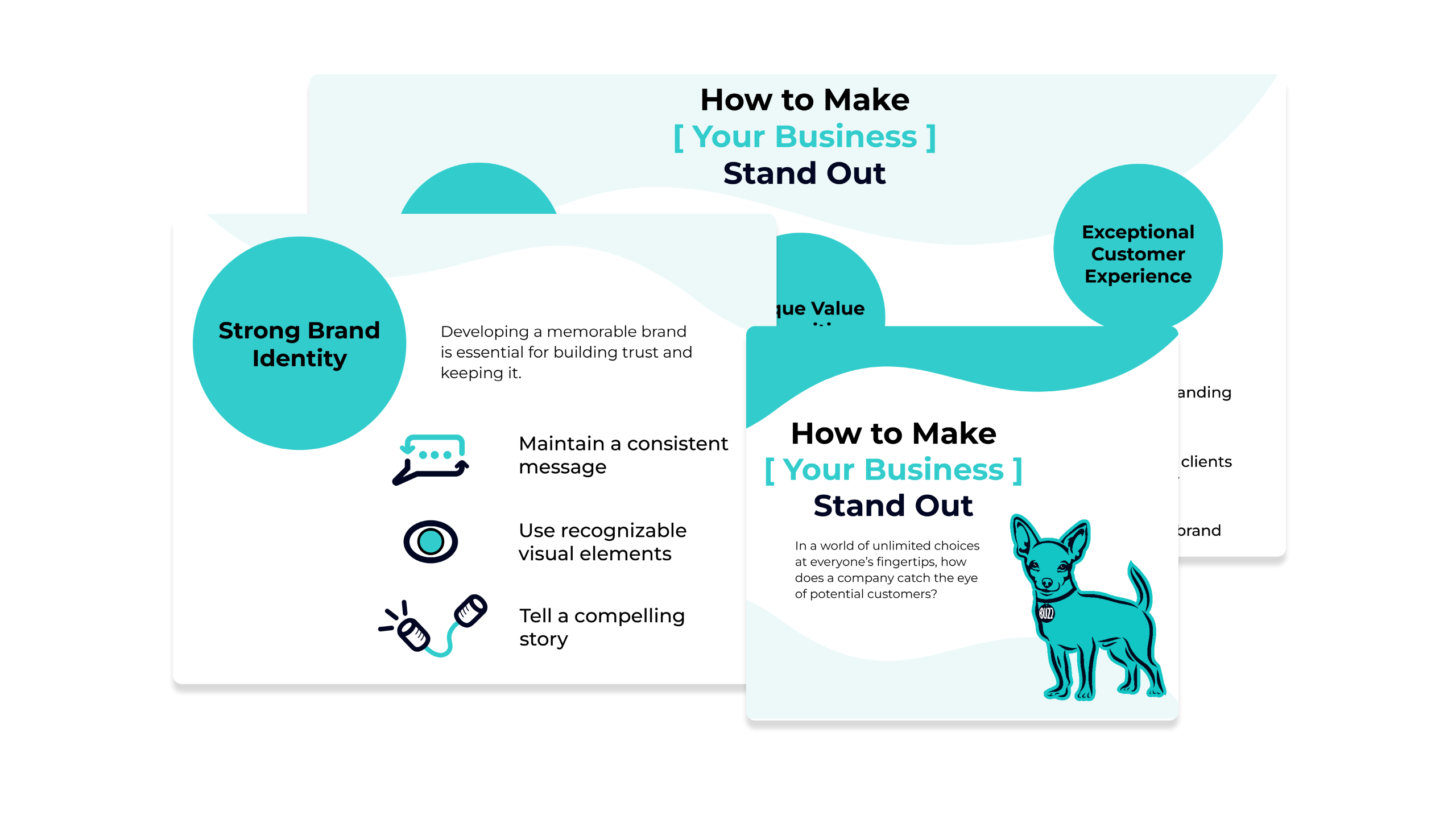
What brand strategy & identity design includes:
Brand strategy development
Brand strategy establishes the foundation that everything else builds on. We examine who you serve, what you offer them, what makes your approach different, and how you prove your value. This isn’t aspirational vision work. This is documenting your actual competitive position based on what you do, who you serve, and what evidence supports your differentiation.
Strategy work includes competitive landscape analysis to understand who else does what you do and how you’re actually different. It includes audience research to clarify who you serve and what they need from organizations like yours. It includes positioning documentation that captures your differentiation in language your team can use consistently.
The output is strategic documentation: positioning statements, messaging frameworks, audience definitions, competitive analysis, and brand architecture that shows how everything connects. This documentation guides all visual identity work and future marketing decisions.
Visual identity design
Visual identity translates your strategy into the marks, colors, typography, and design systems people see and recognize. This includes logo design, color systems, typography selections, graphic elements, photography direction, and the visual language that makes your brand recognizable.
We design identity systems that reflect your positioning. If your strategy emphasizes accessibility and approach-ability, your visual identity should communicate that. If your positioning is built on expertise and precision, your design system needs to reflect it. Visual identity that contradicts your strategic positioning confuses people.
Identity design isn’t about trends or what looks nice. It’s about creating visual systems that communicate your positioning accurately and work across the contexts where people encounter your organization: websites, print materials, presentations, signage, and digital platforms.
Brand guidelines & system
Brand guidelines document how to use your visual identity consistently across applications. This includes logo usage rules, color specifications, typography systems, graphic element applications, photography standards, and examples showing correct implementation.
Guidelines need to be practical. We create documentation your team will actually use, not 60-page PDFs that sit unopened. Guidelines explain not just what to do but why it matters, so people understand the thinking behind the rules and can make good decisions when situations arise that aren’t specifically covered.
Good guidelines also address brand voice, messaging principles, and strategic positioning, so everyone understands not just how things should look but what your organization stands for and how to communicate it.
Brand messaging framework
How does strategy process take?
Every brand strategy and identity project begins with Discovery. We don’t skip this step. We don’t design anything before we understand your positioning, competitive landscape, audience needs, and strategic objectives.
Discovery typically takes 2-4 weeks. We examine your business model, competitive positioning, audience research, and internal alignment. We interview key stakeholders to understand perception gaps. We analyze competitors to document actual differentiation. We clarify what you’re known for, what you want to be known for, and what’s realistic based on evidence.
Discovery produces strategic documentation that establishes positioning foundation. Some organizations complete Discovery and realize they’re not ready for visual identity work yet because their strategic positioning needs more refinement. That’s successful Discovery.
Strategy development takes 2-3 weeks after Discovery. We develop positioning statements, messaging frameworks, brand architecture, and strategic documentation that capture your differentiation and guide all future brand decisions.
Visual identity design takes 3-4 weeks once the strategy is established. We develop logo concepts, color systems, typography selections, and design directions that reflect your strategic positioning. You review design directions, we refine based on feedback, and we finalize the identity system.
Brand guidelines take 1-2 weeks after identity is approved. We document logo usage, color specifications, typography rules, graphic elements, photography standards, messaging framework, and implementation examples.
Total timeline: typically 10-14 weeks from Discovery kickoff to final guidelines delivery, depending on feedback cycles and decision-making speed.
When do you need clarity for your brand?
Brand strategy and identity work make sense when your positioning is unclear, your visual identity doesn’t reflect who you are now, or when internal teams describe your organization inconsistently.
Nonprofits expanding programs or services often need brand work when their mission stays consistent, but their approach evolves. Your original identity reflected a single program. Now you run five programs, and your brand doesn’t communicate the breadth of your work.
Service businesses scaling past founder-led operations need brand work when what they offer has become more sophisticated than their identity communicates. You started as a one-person consulting practice. Now you’re a firm with specialized service offerings, and your brand still looks like a solo operation.
Organizations after mergers or leadership transitions need brand work when positioning needs to reflect the new reality. Two organizations merged, but you’re still using one organization’s old brand. New leadership has shifted strategic direction, but external identity hasn’t caught up.
Established organizations whose brand has drifted need brand work when visual identity has become inconsistent or messaging has fragmented. Different people use different versions of your logo. Your website says one thing, your brochures say something else, and nobody can articulate a consistent positioning statement.
Investment & pricing
Brand strategy and identity projects range from $6,750 to $14,500, depending on scope and complexity. Projects at the lower end include brand strategy, logo design, and basic guidelines. Projects at the higher end include comprehensive strategy work, full identity systems, extensive guidelines, and implementation support.
We don’t quote brand work without Discovery because we can’t know what’s needed until we understand your positioning, competitive landscape, and strategic objectives. Some organizations need a focused logo redesign and updated guidelines. Others need complete strategic repositioning with comprehensive identity systems.
Pricing includes all strategy development, design work, revisions, and guideline documentation. We don’t charge separately for concepts, rounds of feedback, or file formats. You get the strategic work and visual identity needed to communicate your positioning clearly.
Getting started with brand strategy & identity work
Most brand projects start with a conversation about whether this work makes sense for your situation. We discuss what’s changed in your organization, why your current brand doesn’t work, and whether brand strategy and identity design address the actual problem, or if you need something else.
If brand work is appropriate, we scope Discovery. Discovery establishes a strategic foundation and determines what identity work is needed. Some organizations discover during this process that their positioning needs more work before visual identity makes sense. Others move directly into identity design because their strategy is clear.
After Discovery, we develop brand strategy, design visual identity, create guidelines, and support implementation. Most organizations complete the full process in 10-14 weeks, though timelines vary based on decision-making speed and feedback cycles.
Digital Buzz Media
Waynesville, North Carolina
Serving nonprofits and service-based businesses nationwide since 2012
Frequently asked questions
What's the difference between brand strategy and visual identity?
Brand strategy defines who you serve, what makes you different, and why it matters. Visual identity is how you look. Strategy is the foundation. Identity is the expression of that foundation. Most organizations want a visual identity but actually need a brand strategy first. You can’t design an effective logo without knowing what positioning it needs to communicate. We develop a strategy before design because identity without a strategic foundation doesn’t work.
When should an organization rebrand versus refresh their existing brand?
Rebrand when your positioning has fundamentally changed: you serve different audiences, offer different services, or compete in different markets than when your brand was developed. Refresh when your positioning is still accurate, but your visual identity feels dated or inconsistent. Rebrand addresses strategic problems. Refresh addresses aesthetic problems. If you describe what you do differently from what you did three years ago, you probably need rebranding. If your logo just looks old but your positioning is solid, a refresh might be enough.
How long does brand strategy and identity work take?
Complete brand strategy and identity projects typically take 10-14 weeks from Discovery kickoff to final guidelines. Discovery takes 2-4 weeks, strategy development takes 2-3 weeks, identity design takes 3-4 weeks, and guidelines take 1-2 weeks. The timeline depends on how quickly you can provide feedback and make decisions. Organizations with slow decision-making processes or multiple approval layers take longer. Organizations with clear authority and quick feedback cycles move faster.
Do we need Discovery before brand design work?
Yes. We don’t design visual identity without understanding your positioning, competitive landscape, audience needs, and strategic objectives. Brand identity that isn’t grounded in strategy doesn’t communicate anything meaningful. Discovery establishes the foundation that identity design builds on. Some organizations resist Discovery because they just want a new logo, but logo design without strategic clarity produces logos that look nice but don’t mean anything. Discovery isn’t optional in our process.
What if we only need a logo, not full brand strategy work?
If your positioning is documented and clear, your messaging is consistent, and you just need logo refinement or redesign, we can scope limited visual identity work after confirming your strategy is solid. But most organizations that think they only need a logo actually have unclear positioning that makes effective logo design impossible. We assess this during initial conversations. If you have a documented brand strategy from recent work with another consultant, we review it and determine if visual identity work alone makes sense.
Do you work with businesses outside your area?
Yes. We are based in Waynesville, North Carolina, and work with clients across the country.
What makes brand guidelines actually useful?
Useful brand guidelines are practical, not comprehensive. They show correct usage clearly with examples, explain why rules exist so people understand the thinking, cover the 80% of situations your team actually encounters rather than every possible edge case, and are organized so people can find answers quickly. Bad guidelines are 60-page PDFs nobody reads. Good guidelines are concise references people actually use. We create guidelines your team will reference regularly, not binders that sit on shelves.
How do we maintain brand consistency after the project ends?
Brand consistency requires clear guidelines, internal champions who understand and enforce standards, centralized asset management so people use correct files, regular audits to catch drift before it becomes widespread, and onboarding for new staff and vendors. We provide guidelines and asset libraries. You need internal processes to maintain consistency over time. Organizations that appoint brand stewards and build review processes into workflow maintain consistency. Organizations that create brands and then abandon oversight see drift within months.
Gain confidence to build your brand.
You will get a small team that listens hard, tells you the truth, and builds what your business actually needs to grow. If we are not the right fit, we will tell you that too. Discovery is built for organizations ready to invest in a real foundation. If that is you, we will work well together.