
For decades, print was the foundation of local marketing. Newspaper ads, flyers, and direct mail connected businesses to their communities in visible and lasting ways. Even as digital platforms have expanded, print has not disappeared. In fact, for many audiences, it still plays an important role. What has changed is the need to balance traditional and digital approaches so that businesses can reach people wherever they are.
The Staying Power of Print
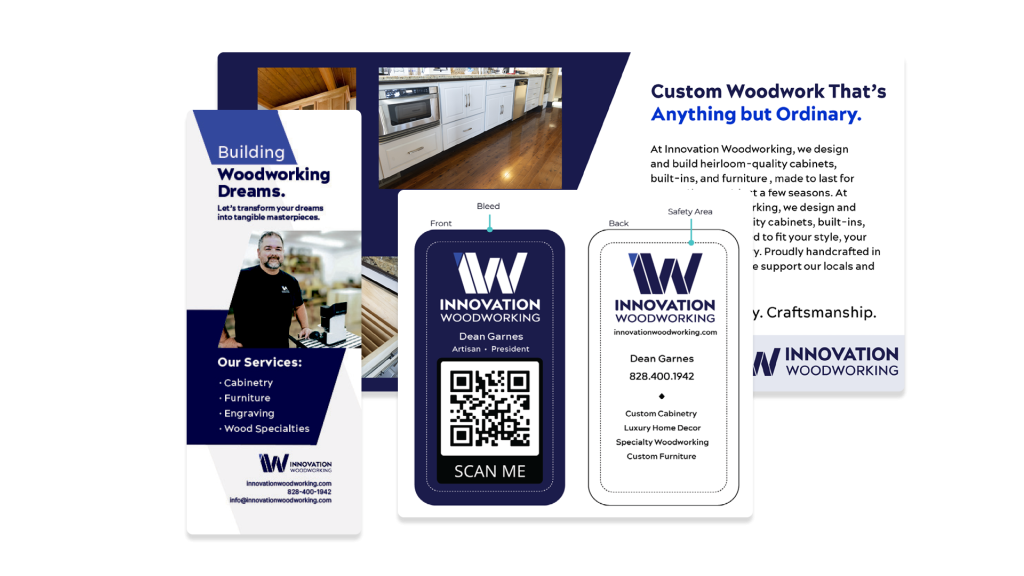
Print holds strengths that digital cannot replace. A well-placed newspaper ad sits on a table, is read at leisure, and is often remembered longer than an online post that disappears in a crowded feed. Direct mail still reaches households in a personal way, and local publications continue to give businesses credibility within their communities. Print works especially well for reaching audiences who prefer something tangible or who may not spend much time online.
Where Digital Stands Apart
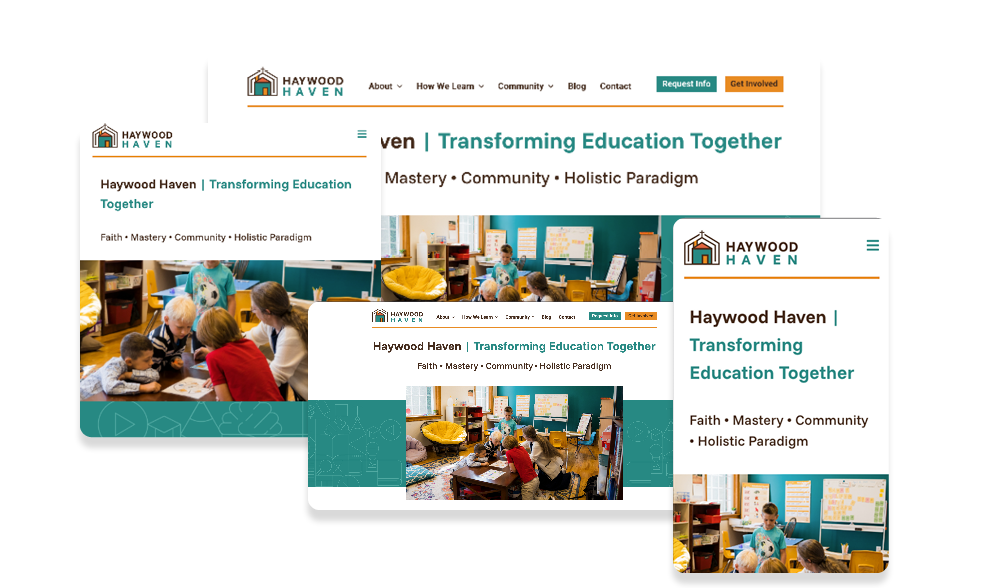
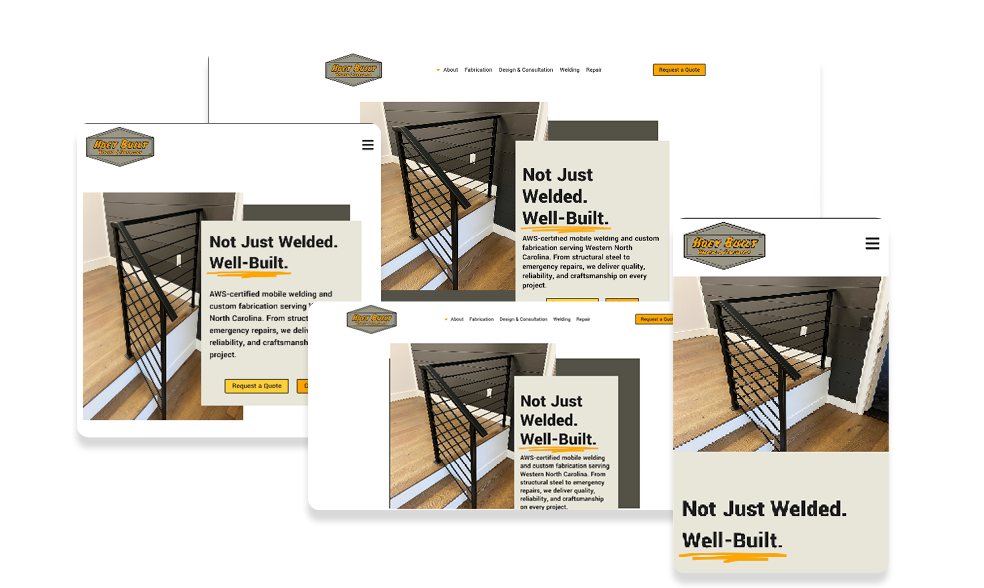
Digital marketing differs in how it targets and measures. While a print ad reaches a broad audience, a digital campaign can be tailored to people searching for specific products or services. It also allows for quick adjustments. If a message is not resonating, it can be revised within hours. Data such as clicks, views, and conversions show what is effective in real time. This precision helps reduce wasted effort and gives business owners more confidence in their decisions.
Why Businesses Need Both
The strongest marketing plans often combine print and digital. For example, a print ad in a community paper can introduce a business, while a follow-up digital campaign reaches those same readers when they search online. Print builds recognition and trust, while digital provides the flexibility and accountability to measure results. Together, they reinforce one another.
Clarity for Business Owners
The challenge for many owners is knowing how to divide resources between the two. The key is to look at the audience, goals, and timing. A new business may use print to establish presence and digital to grow reach. An established company may rely on print for credibility while leaning on digital for customer engagement. When approached thoughtfully, print and digital work hand in hand rather than in competition.
In today’s landscape, the question is how the two can be aligned to support lasting growth.